How Earthrings Redirect Shaft Voltage
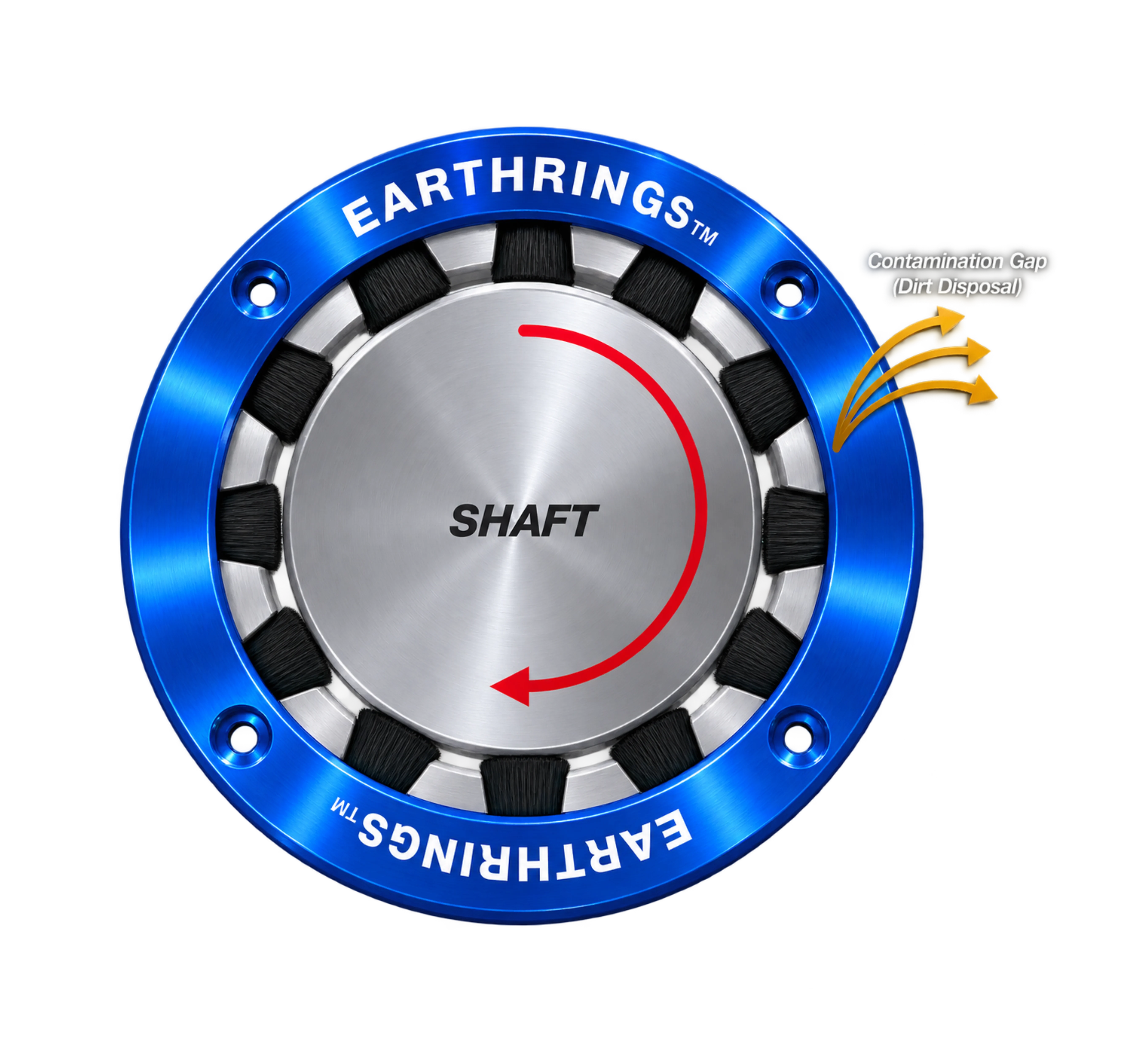
Earthrings create a low-impedance electrical path between the rotating motor shaft and the grounded motor frame.
VFD Switching Can Place Voltage on the Motor Shaft
Variable frequency drives use high-speed switching to control motor speed and process performance. Pulse-width modulation, IGBT switching, parasitic capacitive coupling and common-mode voltage can contribute to voltage appearing on the rotating motor shaft.
Without a controlled alternate route, the bearing can become part of the discharge path to ground.
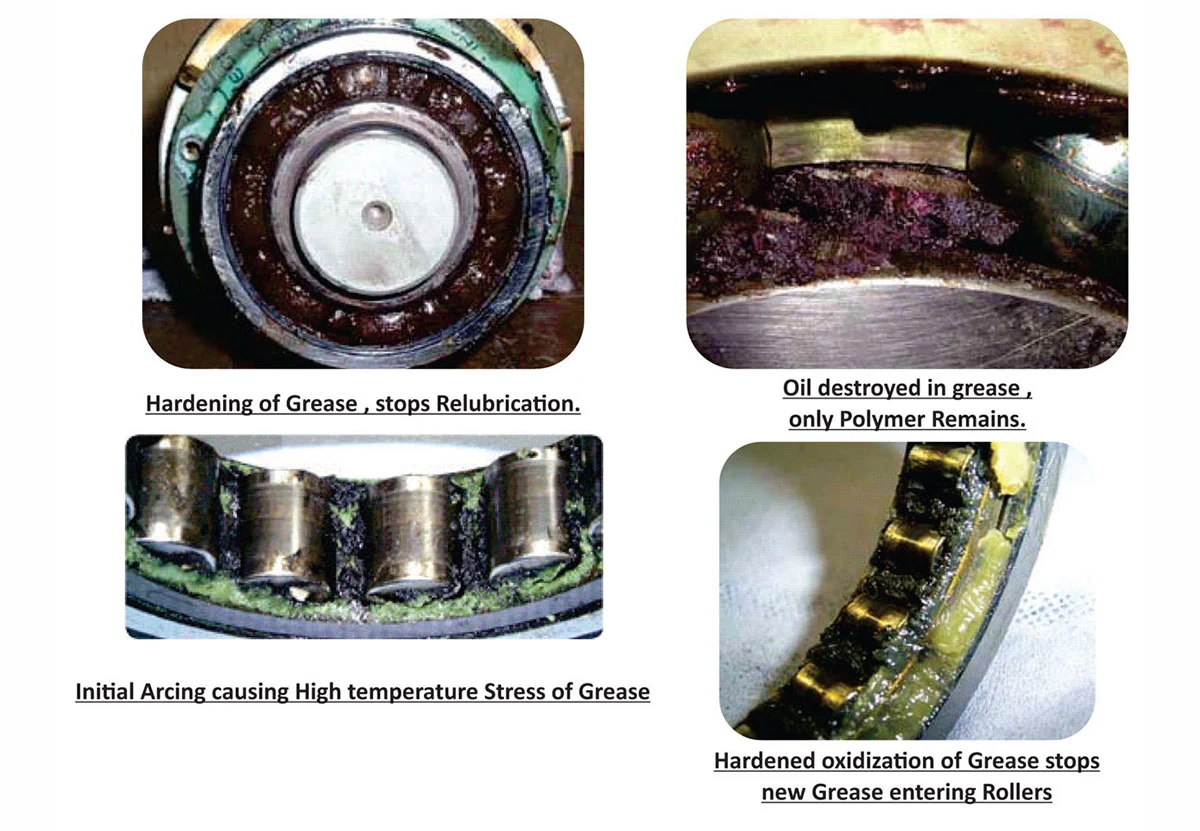
Repeated Electrical Discharge Can Damage the Bearing
The bearing grease film can act as a dielectric barrier. When shaft voltage exceeds that barrier, electrical discharge can pass through the bearing surfaces. Repeated discharge can contribute to pitting, fusion craters, frosting and fluting, while lubricant may oxidise or harden.
A Low-Impedance Route From Shaft to Motor Frame
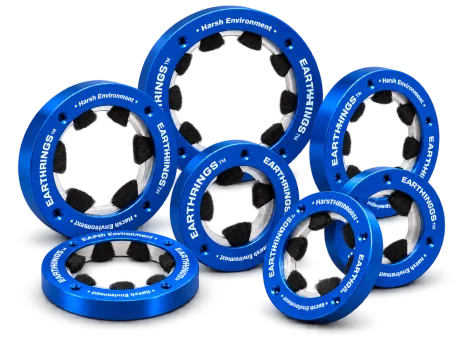
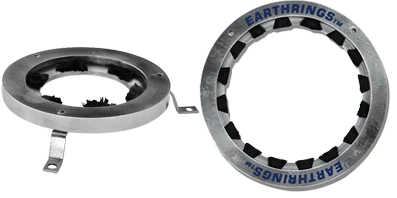
Earthrings conductive fibres remain in contact with the motor shaft and provide an alternative route for shaft voltage. Instead of allowing the motor bearing to become the preferred discharge path, the Earthring redirects electrical energy from the shaft to the grounded motor frame.
Technical Test Material
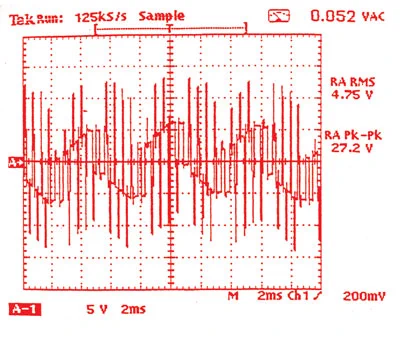
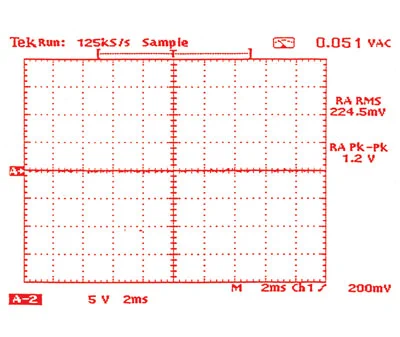
The existing source library includes before-and-after shaft-voltage test imagery. The numerical performance values remain intentionally
unpublished here until the client confirms the test context, equipment and approved wording, as required by the master plan.